Why a Visa Check Isn't Work Rights Compliance: The Case for a Specialist Platform
Matt Paff
Most New Zealand employers who hire visa holders have some kind of check in place. Often it's a step inside a broader background screening product, sitting alongside criminal record checks, reference checks and qualification verification. A VisaView result comes back, a box gets ticked, and the candidate moves on to onboarding.
The problem is that a visa check answers a much narrower question than most employers think. It tells you what visa someone holds and when it expires. It does not tell you whether that person can legally work the shift you've just rostered them on, next Tuesday, at that location, in that role, for that many hours.
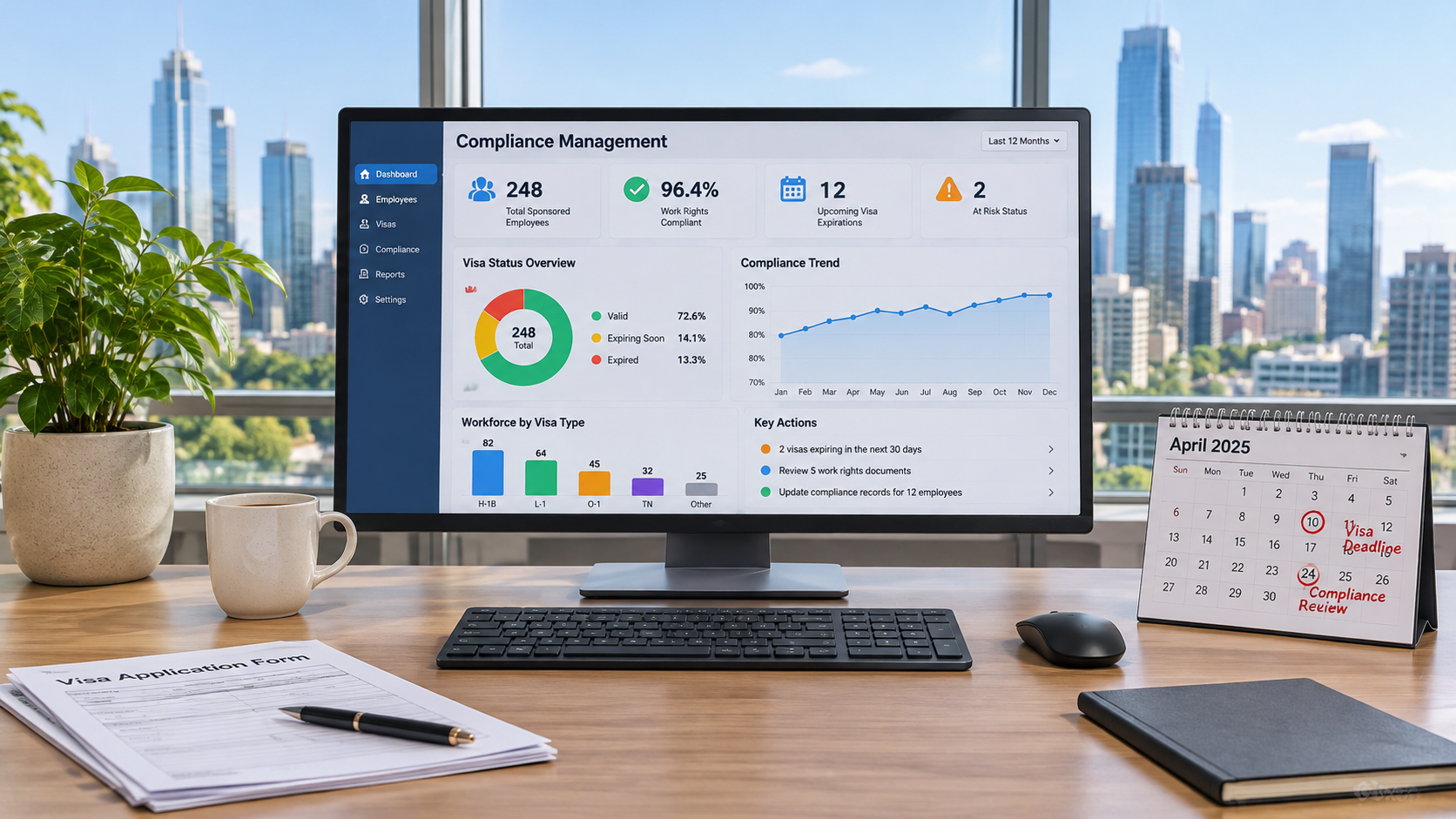
That gap is where non-compliance happens. It's also why a specialist work rights compliance platform, integrated directly into your HR and Workforce Management systems, will always outperform a "jack-of-all-trades" background checks product.
1. Immigration settings move fast, and compliance has to keep up
New Zealand's immigration settings change constantly. The Accredited Employer Work Visa (AEWV) has been through repeated rounds of change to its wage thresholds, skill levels, maximum durations and employer obligations. Student work rights have been adjusted. Working holiday schemes differ by country and are reviewed regularly. Interim visas, partner visas and post-study work visas each carry their own conditions.
For a background checks provider, work rights are one feature among dozens. When a rule changes, it has to compete for attention with criminal history integrations, identity verification upgrades and a long list of other product priorities. For a specialist like vSure, keeping pace with immigration law is the whole job. When the rules change, the compliance logic changes with them, so your business is assessed against the law as it stands today, not as it stood when the product was last updated.
2. A visa check is not work rights compliance
A visa check confirms a person's visa type, status and expiry date. Work rights compliance asks a different question: given this visa and this person's circumstances, are they allowed to do this work right now?
Student visas show the difference clearly:
Weekly hour limits aren't the same for every student. Some student visa holders can work up to 20 hours a week during term, while others can work up to 25, depending on their visa conditions. Two students working side by side, on what looks like the same visa, can have different limits.
Work rights depend on the level and length of study. Whether a student can work at all, and whether they can work full-time in scheduled holidays, depends on the course they're enrolled in, the length of the course, whether the course is worth 120 credits or not etc etc.
Holiday work rights follow the academic calendar. Full-time work is generally allowed only during the scheduled holidays of the student's own course, not whenever it suits the roster.
None of this sits on the face of a visa check. To be compliant, you need to know the course start date, the course level, the academic calendar and the hours actually being worked. Then you need a system that puts all of that together and applies it every time a shift is rostered.
3. The visa expiry date is not always the end of the work rights story
One of the most common assumptions in visa compliance is that if the visa is still valid, the person can still work for you. That isn't always true. Two examples:
Accredited Employer Work Visa holders.An AEWV is tied to a specific accredited employer, role and location. A visa can show months or years of validity, but if the worker moves to a different role, a different site or a different employer without the right variation or new visa, they're working outside their conditions. A system that only watches the expiry date will miss it completely.
Working holiday visa holders. Conditions differ between working holiday schemes. Depending on the worker's country, a scheme can limit the type of work they can do or how long they can work for one employer. A valid visa doesn't mean the worker can stay in the same job for as long as the visa lasts.
In both cases an employer relying on a visa expiry date has a false sense of security. Getting this right means tracking work rights as a live status: checking employer, role and location conditions, counting time where a scheme limits it, and alerting the right people before a deadline passes, not after.
4. Student visa holidays, managed where the roster lives
For employers with any number of international students, such as hospitality, retail, aged care, cleaning and logistics, the hardest compliance problem isn't the visa check. It's the roster.
Student hour limits apply during term but not during specified scheduled holidays. That means a student's legal working capacity changes throughout the year, according to their own provider's academic calendar. A student on holiday can legally pick up extra shifts; the week classes resume, those same shifts could put the employer in breach.
vSure is the only specialist system that manages Student Visa holder holidays and their implications for rostering. Course break periods are captured and applied to each worker's work rights, and that information flows directly into the rostering platforms employers already use, with seamless integration into TANDA, Humanforce and UKG. Rosterers see the real working capacity of each student at the point they build the roster, rather than finding out about a breach after the timesheets are in.
This is the difference between a check and a compliance platform. A check happens once, at onboarding. Compliance happens every week, in every roster, for every worker.
5. Trans-Tasman operations need genuine coverage on both sides
Many New Zealand employers also run teams in Australia, and vice versa. Each country has its own visa categories, its own government verification services and its own work rights conditions. Australia's sponsored and unsponsored visa pathways, its student work hour caps and its Working Holiday Maker rules work quite differently from New Zealand's.
Generic background check products tend to cover one country well and treat the other as an afterthought, if they cover it at all. vSure is the only platform offering genuine work rights compliance for both New Zealand and Australia, so trans-Tasman employers can manage their whole workforce in one system, under one set of compliance processes, without stitching together different tools for each side of the ditch.
Why integration matters
A standalone check, however accurate, produces a result that lives in a PDF or a dashboard someone has to remember to look at. Work rights change over time: courses start and finish, holidays begin and end, roles and locations change, and visa variations come and go. If that information doesn't reach your HR and Workforce Management systems, it can't stop a non-compliant shift from being rostered.
By integrating directly with your HRIS and Workforce Management platforms, vSure turns work rights from a one-off onboarding step into a live control that runs through hiring, rostering and ongoing employment.
The bottom line
Background check products do a valuable job, but work rights compliance isn't a background check. It's an ongoing obligation shaped by fast-changing immigration settings, visa-specific conditions that a visa check doesn't show, and day-to-day rostering decisions.
If your workforce includes temporary migrant workers, and especially students, AEWV holders, working holiday visa holders or staff across New Zealand and Australia, you need a platform built for exactly that problem.
Talk to vSure today to see how specialist work rights compliance, integrated with your HR and Workforce Management systems, can protect your business and your people.
This article provides general information only and is not legal or immigration advice. Visa conditions change regularly; employers should confirm current requirements with Immigration New Zealand or a licensed immigration adviser.